Cluck Yeah: The Honest Truth About Keeping Backyard Chickens (And Why It Might Change How You Eat Forever)
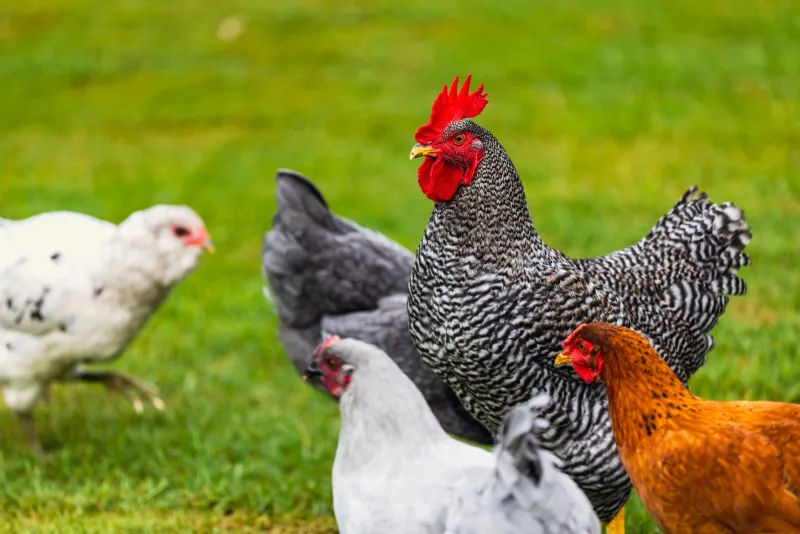
Somewhere between the sourdough revival and the raised-bed gardening boom, a quieter revolution took root in American backyards. It moved in with a cardboard box, a heat lamp, and a handful of fuzzy chicks from the local feed store. It woke people up at dawn. It ate their tomatoes. And it completely rewired how millions of Americans think about where their food comes from.
Backyard chickens are having a moment—and that moment has been going on long enough now that we should probably stop calling it a moment and start calling it a movement.
According to the American Pet Products Association, urban and suburban chicken-keeping has more than doubled over the past decade, with cities from Portland to Pittsburgh loosening ordinances to allow small backyard flocks. What started as a niche hobby for homesteaders and crunchy suburbanites has gone genuinely mainstream, and the reasons why say a lot about how Americans are rethinking their relationship with food.
The Egg Is the Gateway Drug
Ask almost anyone who keeps chickens why they started, and the answer is almost always eggs. Specifically, the difference between a supermarket egg and an egg laid that morning by a hen that spent her day scratching through grass and garden scraps.
The visual difference alone is striking. Crack open a truly fresh, pastured egg next to a grocery store carton egg and you'll see it immediately: a yolk that sits high and proud, deeply orange, almost defiant in its richness. The whites are firm, not watery. The flavor is—well, it tastes like an egg is supposed to taste.
That difference isn't just aesthetic. Hens with access to pasture and a varied diet consistently produce eggs with higher levels of omega-3 fatty acids, vitamin D, and beta-carotene compared to conventionally raised birds. Your backyard hen, living her best life in the clover, is genuinely making a more nutritious egg.
But here's what nobody tells you at the feed store: those eggs are going to cost you. Not at the cash register—but in time, infrastructure, and the occasional 6 a.m. scramble to deal with a raccoon situation.
Picking Your Birds: Breed Matters More Than You Think
Not all chickens are created equal, and choosing the right breed for your climate and goals is one of the most important decisions a new keeper can make.
If you're in the upper Midwest or New England, cold hardiness should be your first filter. Breeds like the Black Australorp, Plymouth Rock, and Wyandotte were practically built for brutal winters—they have smaller combs (less frostbite risk) and dense feathering that keeps them comfortable when temperatures drop hard. A Leghorn, by contrast, is a laying machine in mild climates but can struggle when things get genuinely cold.
In the South, heat tolerance flips the calculus. Leghorns actually shine here. So do Easter Eggers, those delightfully chaotic mixed-breed hens that lay blue and green eggs and seem constitutionally unbothered by humidity.
For dual-purpose keeping—meaning you want both eggs and the occasional meat bird—heritage breeds like the Dominique or Delaware give you a meatier bird without sacrificing too much in the egg department. These are the breeds your great-grandmother probably kept, and there's a reason they stuck around.
If you're primarily after maximum egg production in a small flock, the humble Rhode Island Red remains one of the most reliable layers in the American backyard, capable of 250 to 300 eggs per year under good conditions.
The Reality Check Nobody Wants to Have
Let's be honest about something the chicken-keeping community sometimes glosses over: this is not a passive hobby.
Chickens need daily care, full stop. Fresh water in summer (when they drink more than you'd expect) and unfrozen water in winter (when keeping a heated waterer running becomes its own logistical challenge). Feed every day. Coop cleaning every week, or your neighbors will let you know about it. Predator-proofing that is genuinely robust—because hawks, raccoons, foxes, opossums, and neighborhood dogs are all highly motivated to dismantle whatever half-measures you've put in place.
Winter laying is another reality check. Most hens slow down or stop laying entirely when daylight drops below 14 hours, which in much of the country means you're looking at a two-to-four-month egg drought unless you supplement with artificial light. Some keepers do; many choose to let their birds rest naturally and simply plan around the gap.
Vacations require a chicken-sitter. Illness requires either a vet willing to treat poultry (they exist, but they're not everywhere) or a willingness to make hard calls. And eventually, your hens will age out of peak production—typically after two to three years—leaving you with the decision of whether to keep them as pets, rehome them, or process them for the table.
None of this is insurmountable. Millions of people manage it beautifully. But going in clear-eyed makes you a better keeper and a less frustrated one.
When Buying Local Is Actually the Right Move
Here's something the backyard chicken movement doesn't always say loudly enough: for a lot of people, in a lot of situations, buying eggs from a local farmer is the more responsible choice.
If you're renting. If your yard is small and your city's ordinances are restrictive. If you travel frequently. If you have dogs with strong prey drives and no budget for serious fencing. If the idea of making daily care commitments feels genuinely unsustainable given your life right now—then please, buy your eggs from someone who has built the infrastructure and the knowledge to do this well.
The farmers market egg vendor who runs 200 hens on rotated pasture has figured out things it will take you years to learn. Their eggs are almost certainly excellent. Buying from them directly supports a local food economy and keeps a small farmer in business. That's not a consolation prize. That's a genuinely good choice.
The goal of the local food movement was never to make everyone a farmer. It was to rebuild meaningful connections between eaters and the people and systems that feed them. A backyard flock is one powerful way to do that. A relationship with a trusted local egg producer is another.
What Chickens Actually Teach You
Ask longtime chicken keepers what surprised them most, and the answers almost never center on eggs. They talk about the way the flock changed how they think about food waste—because chickens will eat your kitchen scraps, your garden trimmings, your stale bread, and in return give you eggs. It's a closed loop that makes you suddenly aware of every loop that isn't closed in your kitchen.
They talk about slowing down. About having a reason to be outside every morning, paying attention to animal behavior, noticing the seasons in a different way. About explaining to their kids where food comes from without it feeling like a lecture.
They talk, honestly, about the hard parts—the losses to predators, the sick bird they couldn't save, the hen who just stopped laying and lived another three years as a very expensive pet. And they talk about how those hard parts made them better at thinking about the full picture of food production, not just the pleasant parts.
That's the real gift of a backyard flock. Not the eggs, as good as they are. It's the education.
And you can start that education with six chicks, a secondhand coop, and a bag of layer feed. Or you can start it by shaking the hand of the farmer at your local market and asking how her hens are doing this season.
Both are valid. Both matter. The point is to start.