The Fat Revival: How Local Chefs Are Turning Rendered Animal Fats Into Something Worth Celebrating
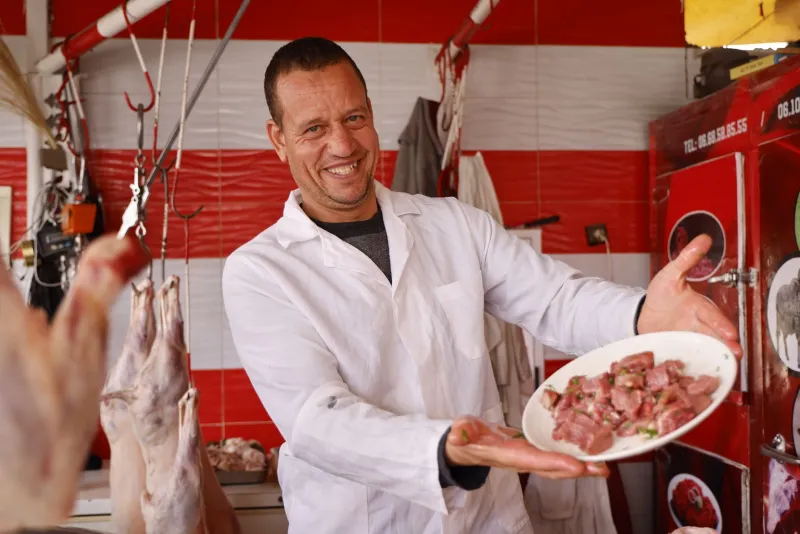
There's a jar of beef tallow sitting on the prep counter at a small whole-animal butcher shop in Asheville, North Carolina. It's pale yellow, almost ivory, and it smells faintly of the grass-finished cattle it came from—clean and grassy and nothing like the shelf-stable shortening it replaced in so many American kitchens decades ago. The butcher, who renders it in small batches from trim that would otherwise go to waste, sells out every week.
This scene is playing out in kitchens and butcher shops across the country, from Portland, Oregon to the Hudson Valley to the Texas Hill Country. Rendered animal fats—lard from heritage-breed pigs, tallow from grass-finished beef, schmaltz from pastured chickens, duck fat from small-scale poultry farmers—are staging a quiet but unmistakable comeback. And the people leading the charge aren't doing it for the trend. They're doing it because it makes sense: economically, ecologically, and above all, culinarily.
How We Got Here: A Brief History of Fat Phobia
To understand why this revival matters, you have to understand what we lost. For most of American culinary history, rendered animal fats were kitchen staples. Lard was the shortening of choice for pie crusts, biscuits, and frying. Beef tallow greased cast-iron skillets and fried potatoes. Schmaltz—rendered chicken fat—was a cornerstone of Jewish American home cooking. Duck fat was what made the confit.
Then came the mid-twentieth century and a decades-long public health campaign that demonized saturated fat and elevated industrially produced vegetable oils and hydrogenated shortenings as the healthier alternative. Crisco replaced lard. Canola oil replaced tallow. The flavors got blander, the processing got more industrial, and the connection between fat and the animal—and the farm—that produced it got completely severed.
The science behind that campaign has since become considerably more contested. But the culinary damage was done, and it took a generation of chefs and food writers to start undoing it.
Nose to Tail, Fat Included
The nose-to-tail eating movement—popularized in the US largely through the influence of British chef Fergus Henderson and adopted enthusiastically by American chefs who were already thinking about waste and whole-animal butchery—reframed fat as an asset rather than a liability. If you're going to honor an animal by using every part of it, the fat is not optional.
For chefs who source whole or half animals directly from local farms, this is both a philosophical commitment and a practical one. When you buy a whole hog from a heritage-breed pig farmer in your region, you get the fat along with everything else. Rendering it isn't a choice—it's a responsibility. And once you've cooked with properly rendered lard from a Berkshire or Red Wattle pig, the idea of throwing that fat away starts to feel genuinely absurd.
"We were literally paying farmers for something and then throwing part of it in the trash," says one whole-animal butcher in the Pacific Northwest who asked to speak generally rather than be quoted directly. "Once you start thinking about it that way, the rendered fats program kind of sells itself."
What Regional Chefs Are Actually Doing With It
The applications are as varied as the chefs themselves. In the South, lard-enriched biscuits and cornbread are making a comeback on menus that are deliberately reconnecting diners to Appalachian and Lowcountry food traditions. In the Midwest, beef tallow is showing up in wood-fired steakhouses as a finishing fat and a medium for roasting root vegetables sourced from nearby farms. In the Northeast, schmaltz is being reclaimed as a proud part of Ashkenazi culinary heritage, appearing at delis and Jewish-owned restaurants that are doing the work of food memory alongside the work of food sourcing.
Duck fat, perhaps the most universally beloved of the rendered fats, has had the easiest rehabilitation—it never fully fell out of favor in professional kitchens, and its rich, savory depth makes it nearly impossible to argue against. Duck fat–fried potatoes have become a kind of gateway drug for diners who might otherwise be squeamish about the broader fat revival.
What these chefs share isn't a single technique or a unified aesthetic. It's a sourcing philosophy. The rendered fat on their menus has a provenance—a farm name, a breed, a county of origin. That traceability is the whole point.
The Waste Reduction Angle
Beyond flavor and tradition, there's a straightforward sustainability argument for rendered fats that deserves more attention than it typically gets. When a local butcher or chef renders trim fat rather than discarding it, they're converting what would be food waste into a high-value cooking ingredient. At scale, that's a meaningful reduction in waste from the meat supply chain.
For small farms and independent butchers operating on tight margins, rendered fat products also represent an additional revenue stream from an animal they've already purchased. Selling tallow alongside steaks, or lard alongside chops, helps make the economics of whole-animal buying work. And that, in turn, helps keep small, sustainably operated farms financially viable.
It's not a silver bullet for the environmental costs of meat production—nothing is. But it's a concrete, practical way to reduce waste within a system that already exists, and it rewards the farms and butchers doing the most responsible work.
Bringing It Home
You don't need to run a restaurant kitchen to get in on this. Home cooks who buy from local butchers or farmers markets are increasingly finding rendered fats available alongside the cuts—and a growing number of small producers are selling tallow and lard direct to consumers, either at market or through CSA-style meat shares.
Rendering fat at home is also genuinely simple. Low and slow in a heavy pot, strain through cheesecloth, store in a glass jar in the fridge. The process takes a few hours and produces something that will keep for months and make nearly everything you cook taste more interesting.
The jar of tallow on that Asheville prep counter isn't a novelty or a provocation. It's a correction—a small, flavorful act of reconnecting with where food actually comes from, and what gets lost when we let convenience and fear do our cooking for us.
Fat, it turns out, has always been worth keeping.