Ugly, Abundant, and Delicious: The Chefs Turning 'Trash Fish' Into Treasure
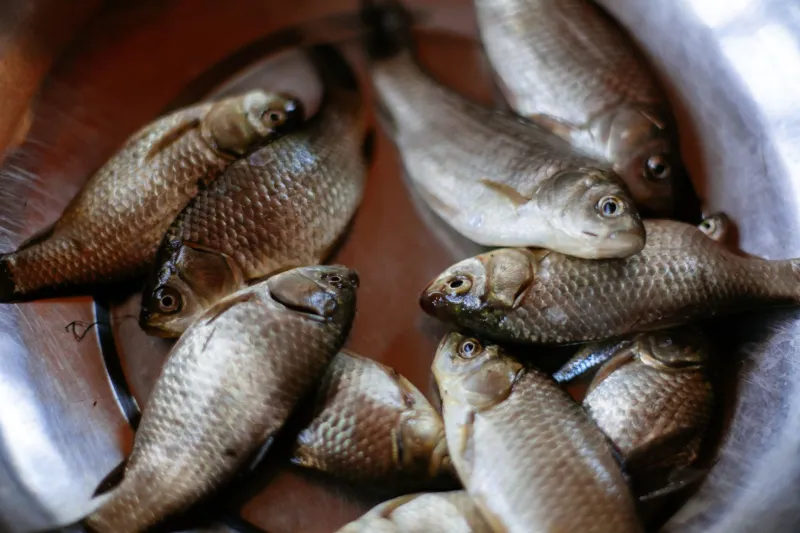
Let's be honest: the American seafood aisle has a personality problem. Walk into most grocery stores from Portland, Maine to Portland, Oregon, and you'll find the same five or six species staring back at you — salmon, shrimp, tilapia, cod, tuna, maybe some catfish if you're lucky. Meanwhile, out on the water, commercial fishers are hauling up nets full of species that most consumers wouldn't recognize, let alone know how to cook. For decades, a huge portion of that catch got tossed back — or worse, ground up for fish meal — simply because the market didn't want it.
That's starting to change, and the people driving the shift are some of the most creative chefs, passionate fishmongers, and forward-thinking seafood buyers in the country.
What Even Is a 'Trash Fish'?
The term isn't exactly flattering, which is part of why some folks in the industry prefer phrases like "underutilized species" or "bycatch." But "trash fish" has stuck around precisely because it captures the absurdity of the situation: these are fish that end up as waste not because they taste bad, but because they don't fit neatly into what consumers expect seafood to look like or how it should behave in a pan.
The roster varies by region, but some of the most commonly overlooked species include skate (a flat, winged relative of the ray), sea robin (a spiky, almost prehistoric-looking bottom-dweller), Atlantic mackerel, porgy, lionfish in the Gulf and Southeast, and various species of dogfish shark. What they share in common is abundance — in many cases, these fish are thriving in waters where more commercially popular species have been overfished — and a flavor profile that, frankly, tends to be outstanding.
"Skate is one of the most underrated fish in the Northeast," says chef Marcus Hale, who runs a small seafood-forward restaurant in Providence, Rhode Island. "The wing has this incredible texture, almost like scallop but meatier. I put it on the menu and people are skeptical until the first bite, and then they want to know why they've never had it before."
Good question, Marcus.
The Economics of Eating What's Actually Out There
The trash fish movement isn't just about culinary adventurism — it's deeply tied to the economic realities of small-scale, local fishing operations. When the only fish that moves at the dock are the "big five," fishers have little incentive to bring in anything else, and they often can't afford to. Bycatch — fish caught incidentally while targeting other species — goes overboard or gets discarded at a financial loss.
But when chefs start buying skate and sea robin directly from fishing boats, the math changes. Suddenly, a fisher who was throwing back a third of their catch has a new revenue stream. Local fishing economies get a shot in the arm. And the ecological pressure on already-stressed popular species like cod or wild salmon gets a little relief.
The Cape Ann Fresh Catch CSF (Community Supported Fishery) out of Gloucester, Massachusetts has been doing this work for years, connecting subscribers directly with local boats and encouraging members to cook whatever the ocean actually provides that week — not just the species they went looking for. It's the seafood equivalent of a CSA farm share, and it's slowly reshaping how a generation of New Englanders thinks about what "local fish" means.
Chefs Leading the Charge
Across the country, a loose but passionate network of chefs is making underutilized fish a point of pride rather than an afterthought.
In New Orleans, the invasive lionfish — which has devastated reef ecosystems throughout the Gulf of Mexico and Caribbean — has become a cause célèbre among sustainability-minded cooks. Chefs like Tenney Flynn have championed it as a delicious white-fleshed fish that diners should feel genuinely good about eating. Every lionfish on a menu is one fewer predator wiping out native reef species. It's about as farm-to-table as it gets, except the farm is a coral reef and the harvesting is an act of ecological restoration.
On the West Coast, restaurants in the San Francisco Bay Area have embraced Pacific sanddabs and California scorpionfish — species that local fishers pull up regularly but that rarely make it past the dock. The key, chefs say, is building direct relationships with fishers and being flexible enough to build menus around what's available rather than the other way around.
"Most restaurant menus are written months in advance, which means chefs are ordering to spec," explains seafood buyer and consultant Dana Willoughby, who works with restaurants in the Pacific Northwest. "The chefs who are really doing this right are the ones who call the boat first and write the menu second."
Bringing It Home: How to Cook Trash Fish
Here's the thing — you don't have to be a chef with a James Beard nomination to get in on this. Home cooks can absolutely source and prepare these species, and doing so is one of the most direct ways to support local fishing communities and sustainable seafood practices.
The first step is finding a fishmonger who actually knows what they're selling. Look for small, independent fish markets rather than supermarket seafood counters, and don't be afraid to ask questions. A good fishmonger will know what came off local boats that week and can steer you toward whatever is fresh, abundant, and underpriced.
Farmers markets in coastal and lakeside communities are another great resource — many now feature local seafood vendors alongside the vegetable stands, and the people selling the fish are often connected directly to the boats.
Once you've got your hands on something unfamiliar, the approach is usually simpler than you'd think:
- Skate wings respond beautifully to a classic French preparation — dredged in flour, pan-fried in brown butter with capers and lemon. The meat pulls away from the cartilage in long, tender strands.
- Mackerel is oily and rich, which makes it ideal for grilling over high heat or curing lightly with salt and citrus. It's also one of the most omega-3-dense fish you can eat.
- Porgy (also called scup) is a mild, versatile fish that takes well to whole roasting with herbs, olive oil, and whatever vegetables are in season at your farmers market right now.
- Sea robin is mild and firm — think of it as a more interesting version of flounder. It's excellent in chowders or simply pan-seared with garlic and white wine.
The Bigger Picture
The trash fish movement is, at its core, a story about humility — the willingness to let the ecosystem, rather than the supermarket, dictate what ends up on our plates. It asks us to trust fishers, trust chefs, and trust our own palates enough to try something new.
And honestly? The reward is usually a better meal than you would have gotten from that farmed Atlantic salmon anyway.
If you're serious about eating local and eating responsibly, the seafood aisle is one of the most important places to practice those values. The fish that nobody wants are often the fish the ocean can most afford to give. That seems like a pretty good place to start.