Protein From the Ground Up: A Conscious Omnivore's Guide to Growing Your Own Year-Round
Let's get one thing straight: you don't have to go vegan to opt out of industrial food. For a lot of us, the goal isn't to stop eating animal products—it's to stop buying them from a system that treats animals, workers, and land like line items on a spreadsheet. And the most direct route around that system? Growing your own.
The idea of a "protein garden" might sound like a stretch if you're picturing rows of soybeans in your suburban backyard. But the concept is broader and more interesting than that. A real protein garden is a layered, living system—part garden bed, part small-scale animal husbandry, part community network—that lets you sidestep factory farms without giving up the nutritional flexibility that comes with eating as an omnivore.
Here's how to build one, wherever you're starting from.
Start With What You Can Actually Commit To
Before you order a dozen chicks or install a fish tank in your garage, be honest with yourself. Every element of a home protein system requires real time and attention. Chickens need daily care. Aquaponics setups need monitoring. Even a dry bean patch needs proper planning and storage.
The good news is that you can start small and layer in complexity over time. A lot of experienced backyard growers recommend beginning with one animal system and one plant system, getting comfortable with both, and expanding from there. This isn't a race to self-sufficiency—it's a long-term shift in how you relate to your food.
Chickens: The Gateway Animal (For Good Reason)
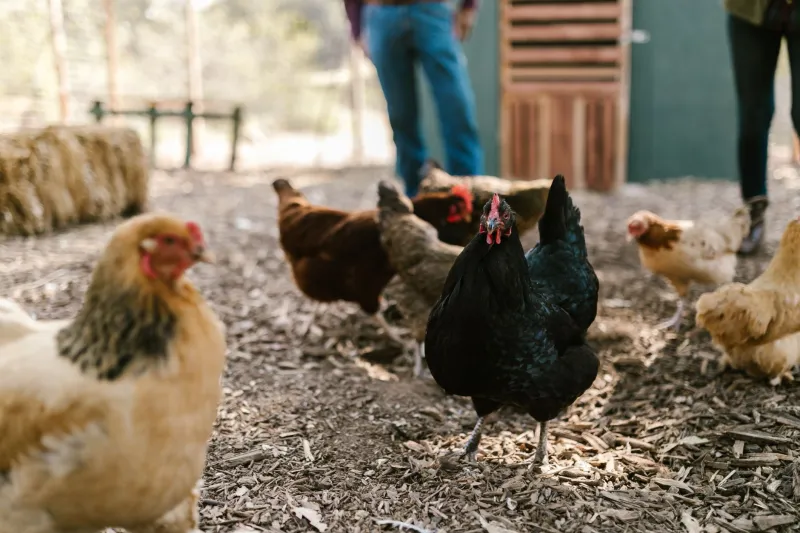
If you're going to raise an animal for protein, backyard laying hens are the most practical starting point for most American households. A small flock of four to six birds will keep a family in eggs year-round, and dual-purpose breeds like Plymouth Rocks or Dominiques mean you can eventually process older hens for meat rather than letting them retire indefinitely on your feed budget.
Chickens also do a lot of work in the broader garden system. They scratch up pests, fertilize beds, and eat kitchen scraps—including vegetable trimmings from the same garden they help feed. That kind of closed-loop thinking is at the heart of what we're building here.
Check your local ordinances before you start. Many cities and suburbs now permit small backyard flocks, though rules vary widely. Organizations like the Backyard Chicken Advocacy Network have resources to help you navigate local regulations if you're in a gray area.
Legumes: The Unsung Heroes of the Protein Patch
You don't have to be a vegetarian to appreciate what legumes bring to the table—literally. Dry beans, lentils, chickpeas, and field peas are among the most calorie- and protein-dense crops you can grow in a home garden, and they fix nitrogen in the soil while they're at it, reducing your need for outside inputs.
Variety matters here. Heirloom dry beans like Hidatsa Shield Figure beans or Calypso beans are beautiful, store well, and taste noticeably different from anything you'll find canned at the grocery store. Lentils are underrated as a home crop—they mature relatively quickly and take up less space than most beans. And don't overlook cowpeas (black-eyed peas) if you're in the South or anywhere with a long, hot summer.
The trick with legumes is drying and storage. A dehumidified space and airtight containers are your best friends. Done right, a good bean harvest can feed you protein through the coldest months of the year.
Bees: Protein by Proxy
Okay, so bees don't produce protein directly—but hear us out. Pollination from a backyard hive dramatically increases the yield of protein-rich crops like beans, squash, and tree fruits. And honey is a calorie-dense food that stores indefinitely, a genuine contribution to your household food security.
Beyond the practical benefits, keeping bees connects you to your local ecosystem in a way that's hard to replicate. Your hive's honey will taste like your neighborhood—the clover from two streets over, the linden tree in the park, the buckwheat a farmer planted three miles away. That's local food in the most literal sense.
Beekeeping has a learning curve, and it's worth taking a local course through your county extension office or a regional beekeeping association before you dive in. But the barrier to entry is lower than most people think.
Nuts and Perennial Protein: The Long Game
If you have any ground to work with, planting nut trees is one of the highest-leverage things you can do for long-term food production. Black walnuts, chestnuts, hazelnuts, and pecans (depending on your climate) are calorie-dense, protein-rich, and once established, largely self-sufficient. They're the definition of planting for the future.
This is where patience comes in. Most nut trees take several years to produce meaningfully. But they also appreciate in value—ecologically and literally—every year they're in the ground. If you're in this for the long haul, start now.
Aquaponics: More Accessible Than You Think
For the more adventurous backyard grower, a small aquaponics system—fish tanks connected to grow beds, where fish waste fertilizes plants and plants filter the water—can produce both animal and plant protein in a remarkably small footprint. Tilapia and catfish are popular choices for home systems, and the grow beds can support everything from leafy greens to herbs to small fruiting plants.
You don't need a massive setup to make this work. Plenty of home growers run successful systems in a spare room, a heated garage, or a backyard greenhouse. The startup cost is real, but the ongoing inputs are minimal once the system is balanced.
Building Community Into the System
Here's the part that doesn't get talked about enough: you probably can't grow everything yourself, and you shouldn't have to. The most resilient local food systems are built on networks, not individual self-sufficiency.
If your neighbor has fruit trees and you have laying hens, that's a trade waiting to happen. If someone down the street is butchering a hog and you want leaf lard for your kitchen, ask around. Local food swaps, community gardens, and neighborhood buy-nothing groups are all places where backyard abundance gets redistributed rather than wasted.
Being a backyard omnivore isn't just about what you produce—it's about plugging into a community of producers. That's where the real food justice work lives.
The Bottom Line
You don't have to choose between eating meat and caring about where your food comes from. The most conscious thing you can do as an omnivore is shrink the distance between yourself and your protein sources—whether that means a flock of chickens, a row of dry beans, or a standing trade with your neighbor who keeps goats.
Start somewhere. Start small. And build from there.